
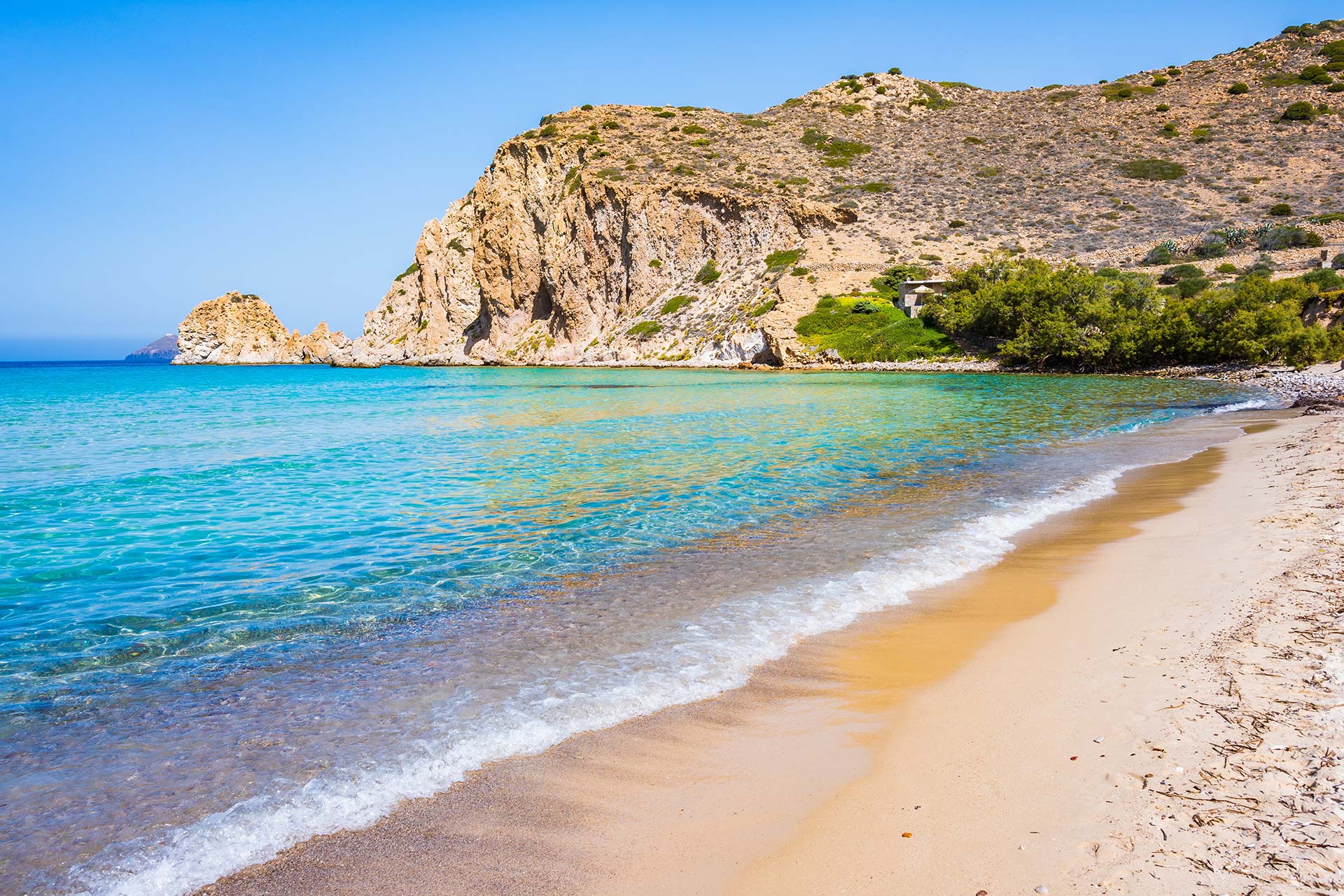
Best Beaches in Milos Complete Guide
Discover the best beaches in Milos, from Sarakiniko’s white rocks to Kleftiko’s sea caves. Find family-friendly beaches, snorkeling spots and practical access tips.
Why Milos is a Beach Lover’s Paradise
Milos island fits a ridiculous range of coast into one island: chalk-white rock shelves, soft sand, pebbly little snorkeling pockets, and family-friendly shallows that stay knee-deep longer than you expect. Sarakiniko earns its reputation for the smooth, white landscape and clear water—but it’s exposed, so it pays to show up early and wear shoes with grip on the rock. Kleftiko is the other headline stop: most people reach it by boat for swim breaks in sea caves and water so clear you’ll want your mask on immediately.
Once you look past the “same three beaches” circuit, Milos opens up. Firiplaka and Provatas suit a straightforward beach day with easy entry and a more organized feel. For something quieter, Alogomandra sits in a snug cove with shade under the rock, and Agios Sostis plus the beaches near Pachena tend to feel calmer once the midday crowd thins.
Access is half the plan here. A few beaches involve rough tracks or boat-only approaches, and parking gets tight in July–August. Bring a compact kit that actually gets used: reef shoes, snorkel mask, a light wind layer for boat rides, and some cash for small canteens
Must Visit Famous Beaches in Milos
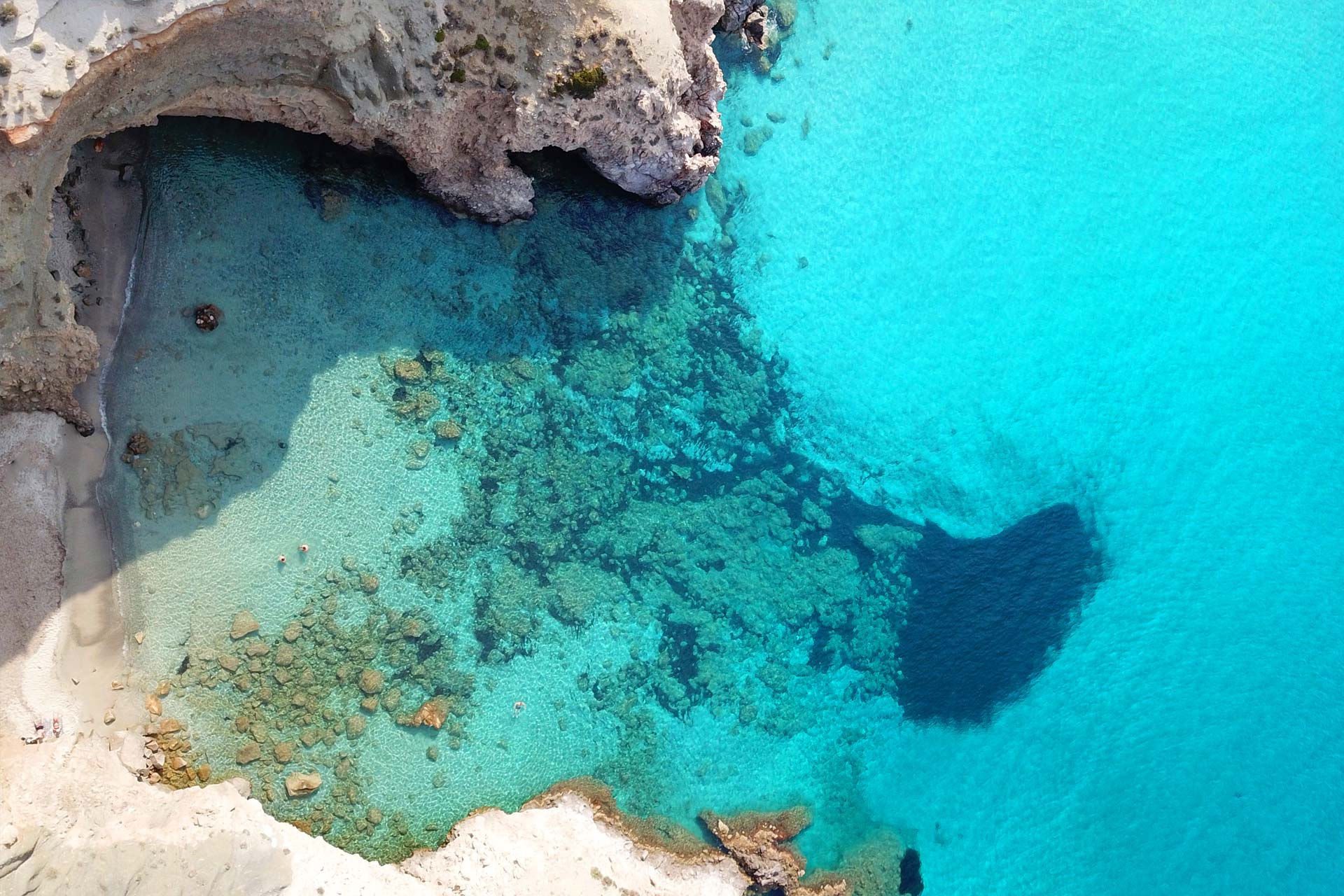
Start with the big names, then branch out so the days don’t blur together. Tsigrado is the photo magnet, and the approach is part of the deal: a steep descent with ropes and ladders that’s a bad match for flip-flops or anyone uneasy on uneven footing. The payoff is a small bay with clear water and good snorkeling along the rocky sides. Paleochori, close by, swaps drama for comfort—dark sand, shallower water near the edge, and an easier “stay a while” setup if you like having food close at hand.
For an effortless swim and a break from driving, Pollonia Beach works well: simple access, generally calm water, and plenty nearby when someone suddenly decides they’re hungry. Achivadolimni is a good option when you want more space and a longer stretch of sand for walking or laying out without feeling crowded.
If you want famous scenery in a short stop, Papafragas is more “quick dip and look around” than an all-day base. And if you’re comfortable on rougher roads, the small coves around Triades can be quieter—just expect slower driving and fewer facilities.
Secret and Hidden Beaches Worth Discovering
Milos gets more interesting once you stop chasing only the beaches you’ve already seen online. Kastanas, on the south coast, feels raw and serious: cliffs behind you, deeper water quickly in front of you, and very little that’s “built for convenience.” Gerontas, not far away, is another strong choice if you’re a confident swimmer; late afternoon usually brings softer light and a looser, less hurried mood.
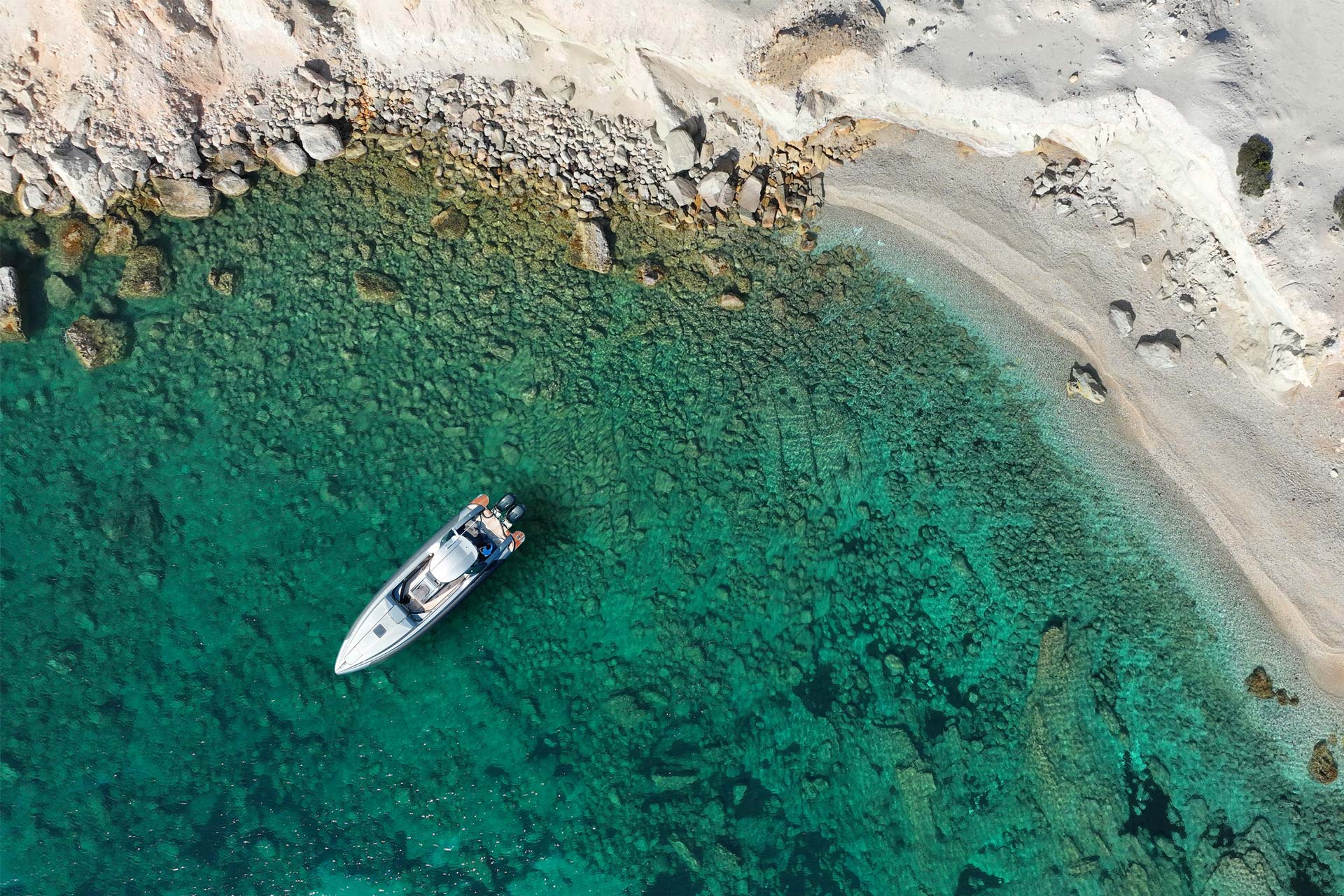
A few beaches stay quiet mainly because they demand effort. If you’re open to a short boat outing, ask in Adamantas about small shared trips that include extra swim stops in coves you can’t sensibly reach by car. Prefer to drive? Keep expectations realistic: Milos tracks can be rocky, and the last stretch to the shore is often where plans get messy—so start early, fuel up, and wear shoes you can actually walk in.
Tsigrado may be famous, but it doesn’t have to feel chaotic. “Go before 10am, wear sneakers for the ladders, and leave bulky bags behind—snorkel, water, and a small towel are enough,” says Yiannis Kalogerakis, Milos tour operator. Simple pairing ideas:
- Adventurers: Kastanas + Tsigrado early
- Families: save rough access for another day and choose an easy-entry beach after lunch
Best Beaches for Families and Relaxation
When the goal is low-stress swimming (and nobody wants a long debate in a hot parking lot), pick beaches with gentle entry and easy logistics. Pollonia Beach is ideal for a “swim, snack, repeat” day: short walk to the water, generally calm conditions, and plenty nearby for breaks. Achivadolimni is the pick for space—more shoreline to spread out, room for sand play, and an easier time keeping a group together without feeling squeezed into one small cove.
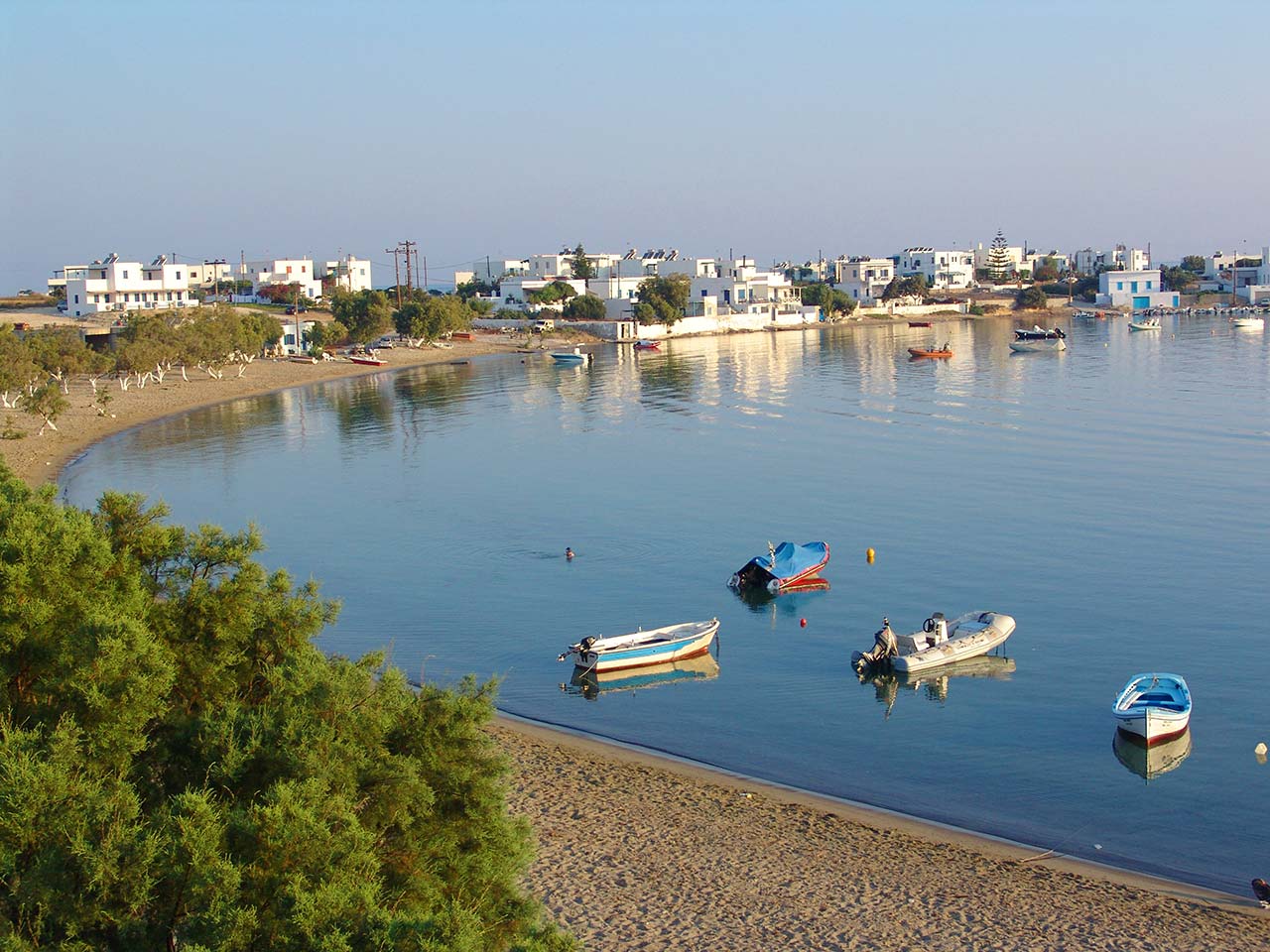
If you’d rather trade facilities for calm, choose coves that naturally slow you down. Alogomandra is a good place to stay put for a while, thanks to the shade from the rock and the sheltered feel. Agios Sostis and the beaches near Pachena also work well when you want a quieter swim; they’re especially pleasant outside the midday rush.
A few practical habits make family beach days smoother:
- Get there earlier to park, then set up near shade
- Bring reef shoes for pebbly patches and rocky edges
- Keep some cash on hand for small canteens and quick snacks
Top Spots for Swimming and Snorkeling Adventures
If snorkeling is the main event, aim for clear water and rocky edges rather than wide, sandy bowls. Klima’s waterfront slipways are surprisingly good for a quick mask-and-fins session, especially early when the sea is calmer. Plathiena is a friendly bay when conditions cooperate; visibility is often better along the rockier sides than straight out from the sand. For a short swim with classic Milos scenery right next to you, Mandrakia is a strong choice—dip in, follow the edges, then dry off near the boat houses.
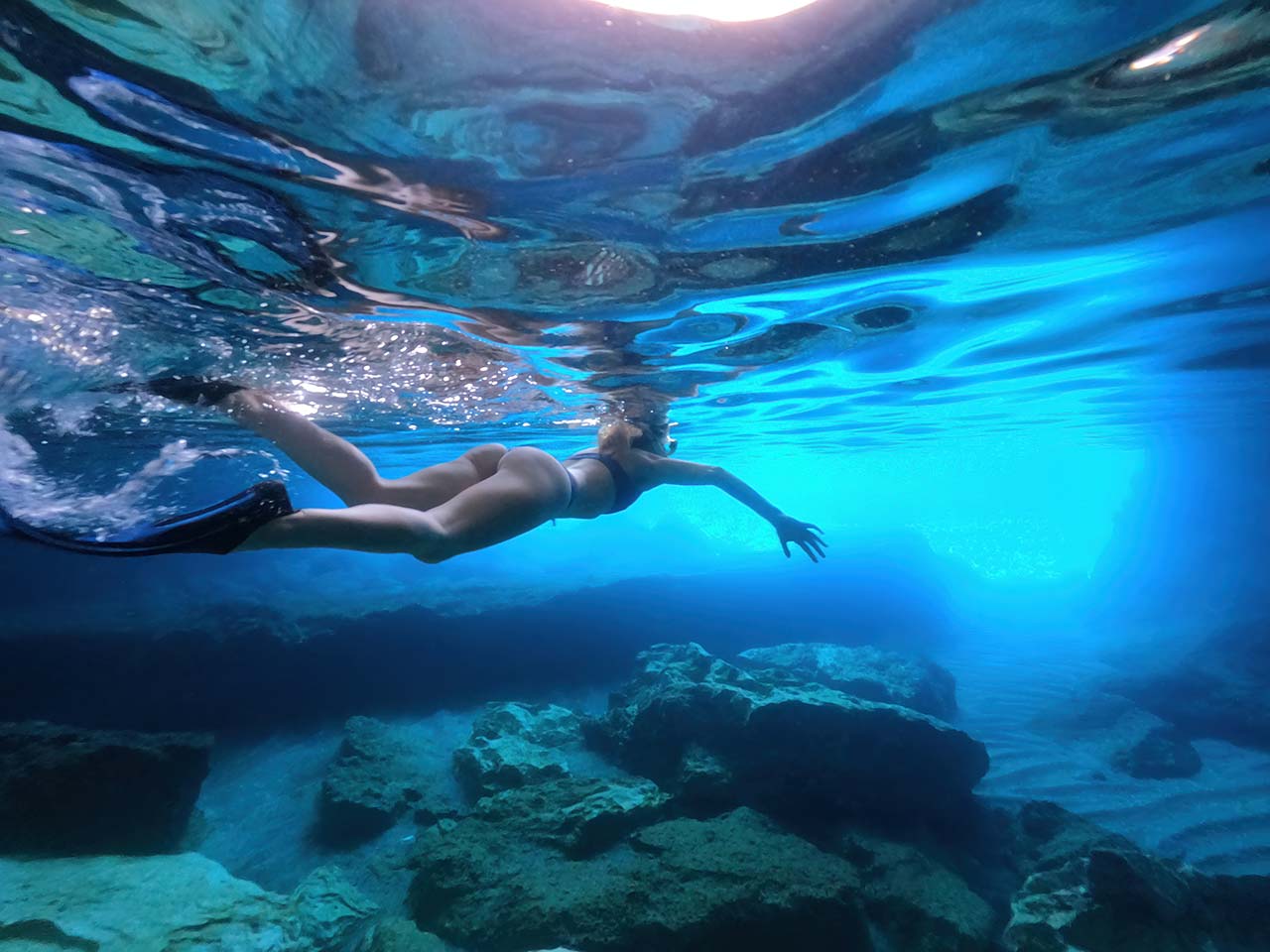
For longer, more varied snorkeling, a boat day makes a real difference. It’s not only about the headline stops; skippers often choose smaller inlets based on the wind, and those sheltered pockets can be the best places to stay in the water. If snorkeling matters to you, ask for time along cliff walls and in calmer corners where you can spot sea urchins, small bream, and sometimes an octopus tucked into the rocks.
A quick match-by-mood list:
- Calm float + easy entry: Plathiena, Klima
- Scenic dip between meals: Mandrakia
- Longer sessions: west-coast bays on a boat day
How to Get to Milos Beaches and What to Know
A small rental car is the most practical way to link beaches in Milos, especially if you plan to mix easy sand with coves reached by rougher tracks. Scooters can look like the fun option, but gravel stretches, potholes, and dusty descents are common—and that combination feels a lot less fun after a long day in the sun. Taxis are available but can get expensive with multiple stops, and buses help for a few key areas but don’t really match spontaneous “let’s try one more bay” decisions.
Boat trips solve a different problem: they let you stack swims without worrying about parking or road conditions. Shared cruises from Adamantas are common, while private options can be worth it if you want to adjust plans when the meltemi picks up. Morning departures often mean calmer seas; save driving to popular beaches for later in the day when the heat eases and the traffic thins.
Wind matters more than most people expect. North-facing shores can turn choppy fast, while south-coast coves may stay comfortable—ask your hotel which side is working that day. Also: download offline maps for patchy signal, and bring footwear you trust for hot ground and rocky entries.
Essential Tips for Enjoying Milos Beaches
Treat Milos like a rotating set of beach types, not one fixed itinerary. If you balance one well-known stop with a quieter swim each day, you’ll see more of the island and spend less time stuck in peak-hour crowds. Early morning is best for parking and calmer water; late afternoon is when you can linger without feeling like you’re baking. Sunscreen matters, but so do the small things—lip balm and a light long-sleeve help when you’re in and out of salt water all week.
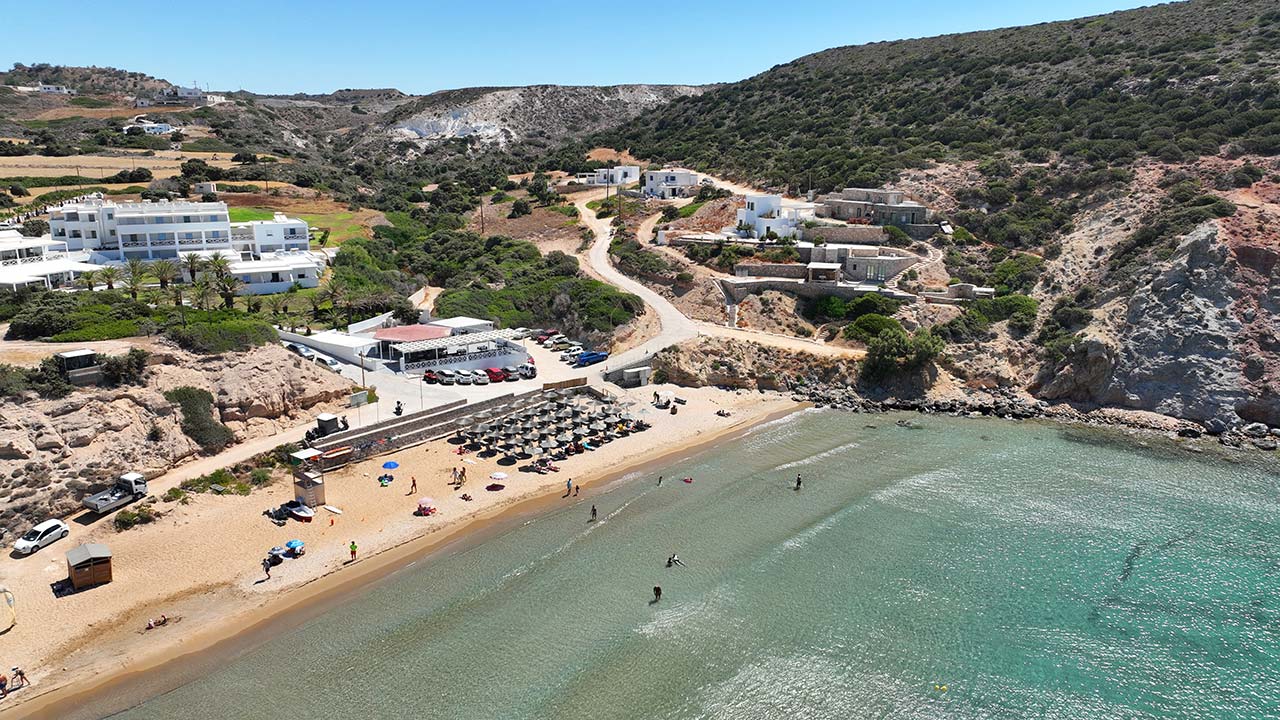
What you wear on your feet can decide the whole day. Reef shoes are useful for pebbles, sea urchins, and slick rock shelves, and sturdy sandals beat flimsy flip-flops on scrambly paths. Bring more water than you think you’ll need, plus a dry bag for boat trips and a tiny first-aid kit for minor cuts.
Finally, match the beach to conditions and the people you’re traveling with. Gentle entry and shade win with kids; swimmers do better near sheltered edges; cliff-backed coves are easier with light bags and steady footing. Quick checklist:
- Wind check with your host
- Cash for canteens
- Mask and snorkel for unplanned dips
Final Thoughts on Exploring Milos Shores
Milos rewards the kind of traveler who leaves a little slack in the schedule. Move between the famous names and the quieter corners and you’ll notice how quickly the island changes—white rock one hour, sand and tamarisk shade the next. Some days call for an easy swim with food nearby; other days are better spent on a rough road for a quieter stretch of shore and a longer snorkel.
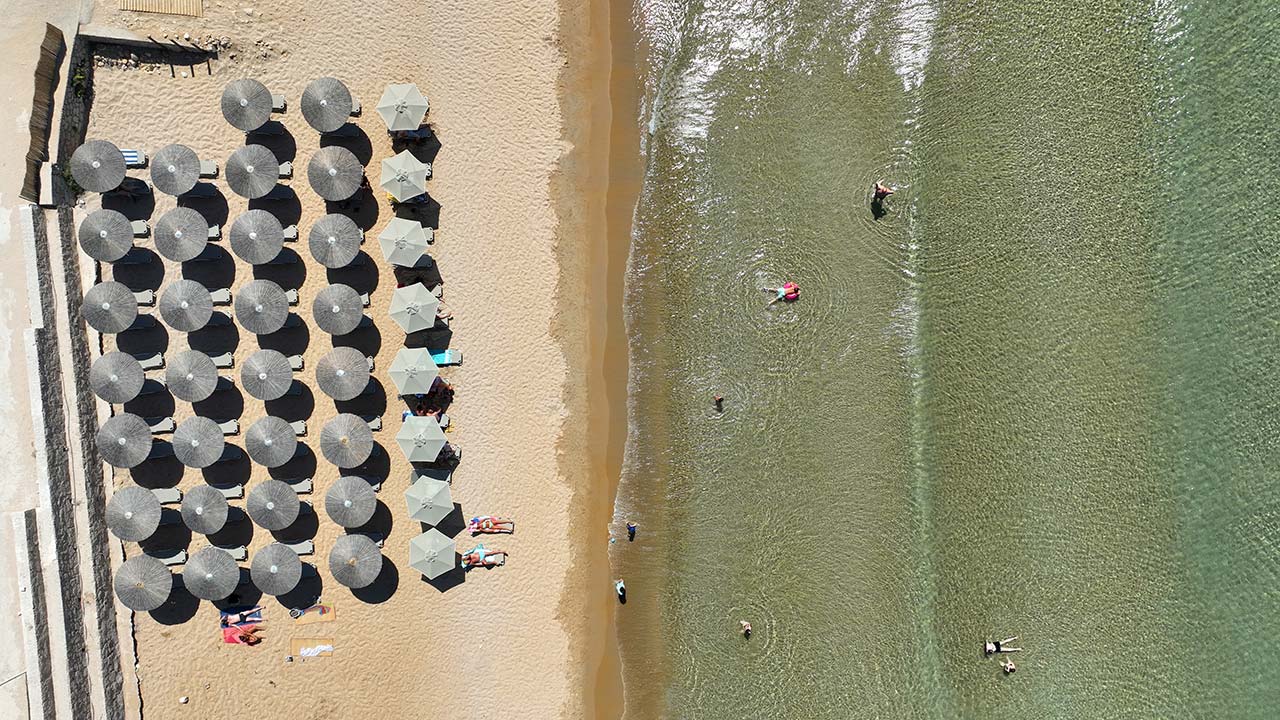
Keep planning anchored to two simple things: wind and energy. Check which coast is calmer in the morning, choose one “main” beach, then add a second stop that fits how you actually feel after lunch. Boat days are the easiest way to string swims together without the parking shuffle, while late-afternoon drives can make even popular places feel more relaxed.
If you only remember a few habits, make them these:
- Start early, then swim again later when the heat drops
- Wear proper shoes, even for “quick dip” stops
- Carry extra water and a bit of cash for small canteens
Leave room for detours, ask what’s pleasant today, and let the island show you its range.
Frequently Asked Questions About the Best Beaches in Milos
What are the best beaches in Milos?
The best beaches in Milos include Sarakiniko for white rock scenery, Tsigrado for dramatic access and clear water, Firiplaka for colorful cliffs, Pollonia for easy swimming, and Kleftiko for boat-access sea caves.
What are the best beaches in Milos for first-time visitors?
If it’s your first trip, start with Sarakiniko for the white rock scenery and clear water, then add Tsigrado or Firiplaka for contrast. Kleftiko is best seen by boat. After you’ve covered the well-known spots, pick one quieter cove like Alogomandra or Agios Sostis so the island doesn’t feel repetitive.
Which beaches in Milos are most family-friendly?
Pollonia Beach and Achivadolimni are the easiest choices. They offer gentler entry into the water, easier parking, and space to spread out without feeling squeezed into a small cove. Provatas also works well when conditions are calm. Avoid rope descents like Tsigrado with younger children.
Are there hidden beaches in Milos that are worth the effort?
Yes — but expect rough tracks and fewer facilities. Kastanas and Gerontas feel more remote and reward confident swimmers. The coves around Triades can also be quieter if you’re comfortable driving slowly on uneven roads. If access feels uncertain, consider a small boat trip instead.